
Every luxury house began as a single idea and a handful of garments. What separates the brands that last from the ones that quietly disappear is rarely talent alone. It is the order in which things are done.
Starting a fashion brand at the luxury level means making decisions that most founders only understand in hindsight: what to develop first, how to brief an atelier, when to sample, how to budget. This guide walks through those decisions in the sequence the great houses have always followed.
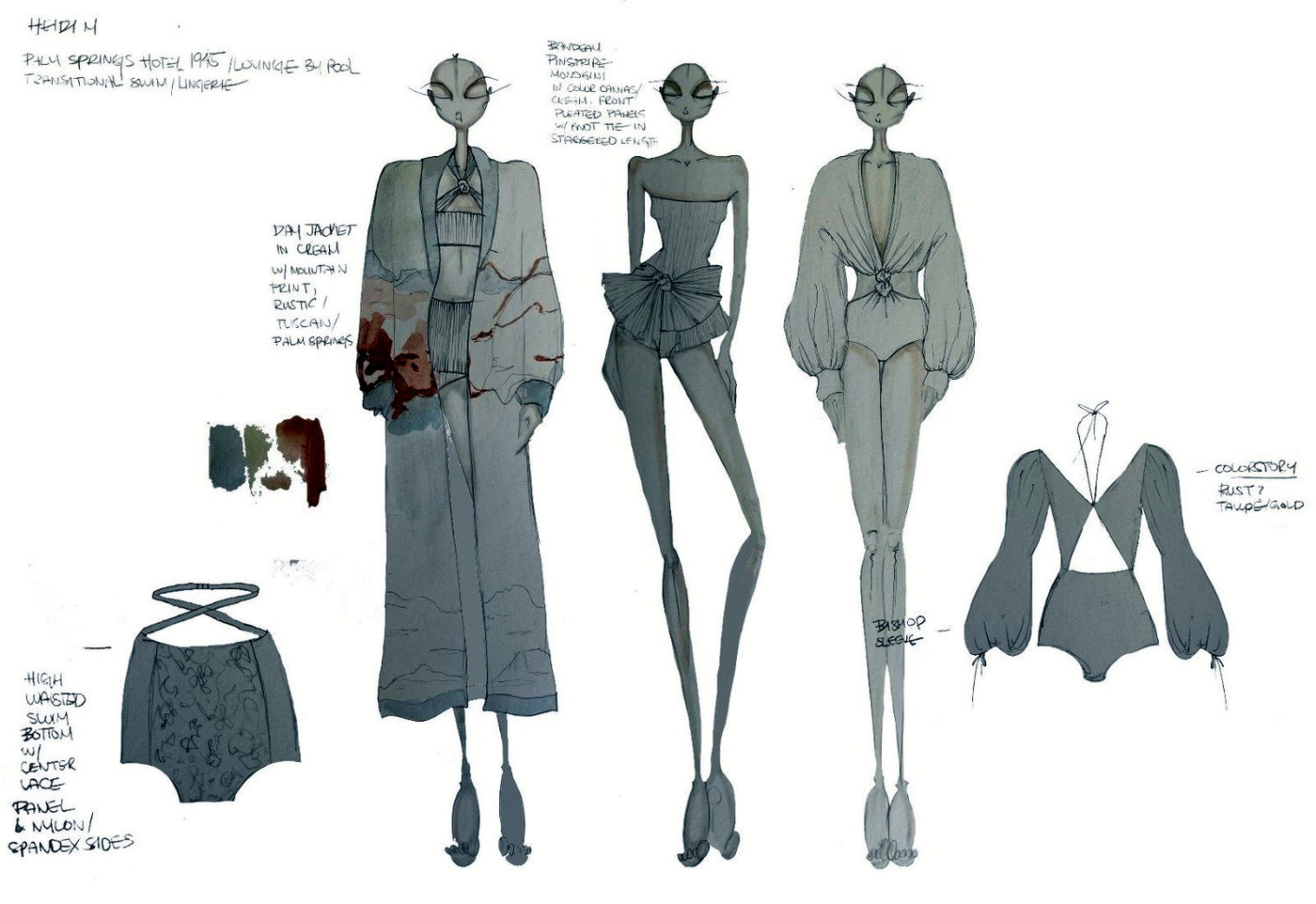
Step 1: Define the brand before the clothes
Before a single garment is designed, a luxury fashion startup needs to know who it is for. Who is your client? Where does she shop, and what does she already own? What will she pay, and why would she choose you?
Write this down. Your positioning decides everything that follows: the fabrics you can afford, the finishes you need, the price you can charge and the manufacturer you should work with.
Step 2: Design a focused first group of styles
A first collection does not need to be large. It needs to be coherent. Most strong launches begin with a small group of styles that share one fit language: the same proportions, the same balance, the same signature details.
We recommend developing at least three styles together, ideally five, so a single pattern maker can establish that fit language across all of them. You do not have to sample or launch them all at once. Many founders develop several and launch with one hero piece, which we explore in Hero Product or Full Collection?
Step 3: Finalise your designs completely
A sketch is an idea. A design is a decision. Before any technical work begins, every style should have front and back drawings, your intended fabrics, colourways, a base size and any references that explain the feeling you want.
Incomplete designs are one of the most expensive mistakes in fashion brand development, because every gap becomes a guess, and every guess becomes a correction later.
Step 4: Build the technical foundation
This is the step most founders skip, and the one that decides whether their samples succeed. Before any manufacturer can make your garment properly, it needs two documents that speak to each other:
- A tech pack, the garment’s written blueprint: measurements, construction, materials, finishes and sewing notes.
- A pattern, the garment’s engineering: the paper shapes that decide how it sits, moves and holds its form on the body.
Yes, you need a tech pack before approaching a manufacturer. But a tech pack alone is not enough, which is why we explain the difference in detail in Tech Pack vs Pattern.
At Giardina Atelier, this step is our Technical Foundation: a Couture Tech Pack and a hand-sculpted, hand-drafted Couture Pattern, developed together by our couture pattern maker in the heritage Alta Moda moulage method. You own it entirely, and because it is made in English, you can take it to any production partner in the world.
Step 5: Sample with patience
Sampling is where the pattern becomes cloth. A first sample is a conversation, not a verdict: it shows what is right and what needs refining. Most styles take one or two rounds before they are approved.
Give clear written feedback, try samples on a fit model in your sample size, and expect to refine. If your samples keep disappointing, the cause is usually upstream, as we explain in Why your fashion samples keep failing.
Step 6: Source materials within your budget
Fabric and trims define how a garment feels in the hand, and they are a large part of your cost. Sourcing is best done during sample development, when the pattern is known and fabric consumption can be calculated precisely.
Step 7: Choose your production partner
A luxury clothing manufacturer is a long-term relationship, not a transaction. Look for a partner who understands your category, works at your quality level and can produce your quantities. Understand minimum order quantities before you approach anyone, and remember that the best manufacturers are choosing their clients too.
Step 8: Grade, produce and launch
Once your sample is approved, the pattern is graded into your size range, production samples are made, and production begins. Then comes the launch: your story, your photography, your first clients. Because the technical work was done properly, every reorder will look exactly like the first.
The five most costly mistakes
- Approaching a factory with a sketch instead of a technical foundation.
- Starting with too many styles at once, without a shared fit language.
- Expecting the first sample to be perfect.
- Changing designs once development has started.
- Choosing a manufacturer on price alone, then changing every season.
Begin where the great houses begin
Every garment we develop begins in the same place: on the form, in paper, by hand. If you are ready to start a luxury fashion brand with a technical standard that comes from couture, begin with the Technical Foundation.